


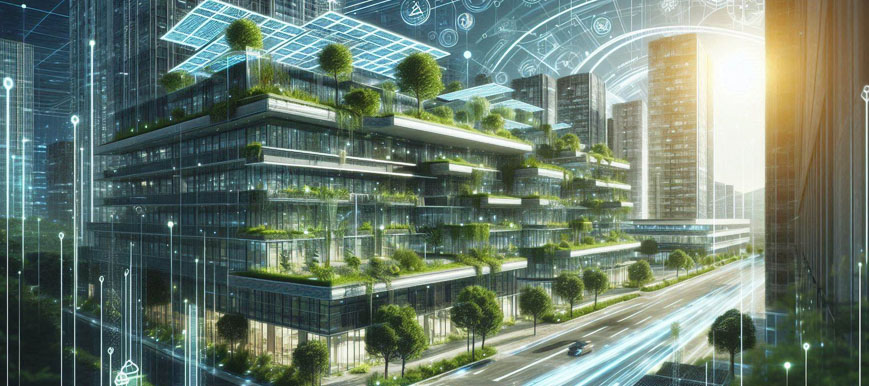
Sustainable design visualisation is critical for showcasing eco-friendly architectural concepts. By integrating 3D modelling, photorealistic rendering, and interactive tools, designers can illustrate energy efficiency, green materials, and environmental impact before construction begins.
Through detailed renders, animations, and VR walkthroughs, stakeholders can visualise the impact of sustainable strategies such as solar orientation, natural ventilation, rainwater harvesting, and green roofing. This clarity helps justify decisions and align project teams. Explore related construction planning in 4D Animation - Bringing Architectural Projects to Life.
Connecting BIM, material libraries, and real-time engines ensures accurate propagation of design changes. Interactive visualisation tools allow clients to explore alternatives, making sustainability considerations tangible and actionable.

“Sustainable visualisation transforms abstract eco-friendly concepts into clear, actionable design decisions.”
Visual storytelling highlights the benefits of eco-friendly architecture, showing how green spaces, energy-efficient systems, and materials contribute to a healthier, more sustainable built environment. This approach supports planning approvals, client engagement, and investment decisions.
Visualising sustainable architecture bridges design, technology, and environmental responsibility. By employing integrated workflows, immersive tools, and interactive storytelling, architects can effectively communicate eco-friendly strategies, resulting in more informed stakeholders and successful projects.